
Fencing
Building a Cedar Fence: Planning, Posts, and Panel Installation
A step-by-step breakdown of cedar fence construction, from choosing post depth for frost heave to installing boards in humid coastal and cold interior climates.
Practical guides covering cedar selection, construction methods, finishing, and long-term maintenance for fences, decks, and garden structures across Canada.

Featured Articles
Three in-depth articles covering the most common outdoor cedar builds for Canadian properties.
Fencing
A step-by-step breakdown of cedar fence construction, from choosing post depth for frost heave to installing boards in humid coastal and cold interior climates.

Garden Structures
How to size, join, and finish cedar raised beds that hold up through repeated freeze-thaw cycles and heavy spring rainfall across Canadian growing zones.
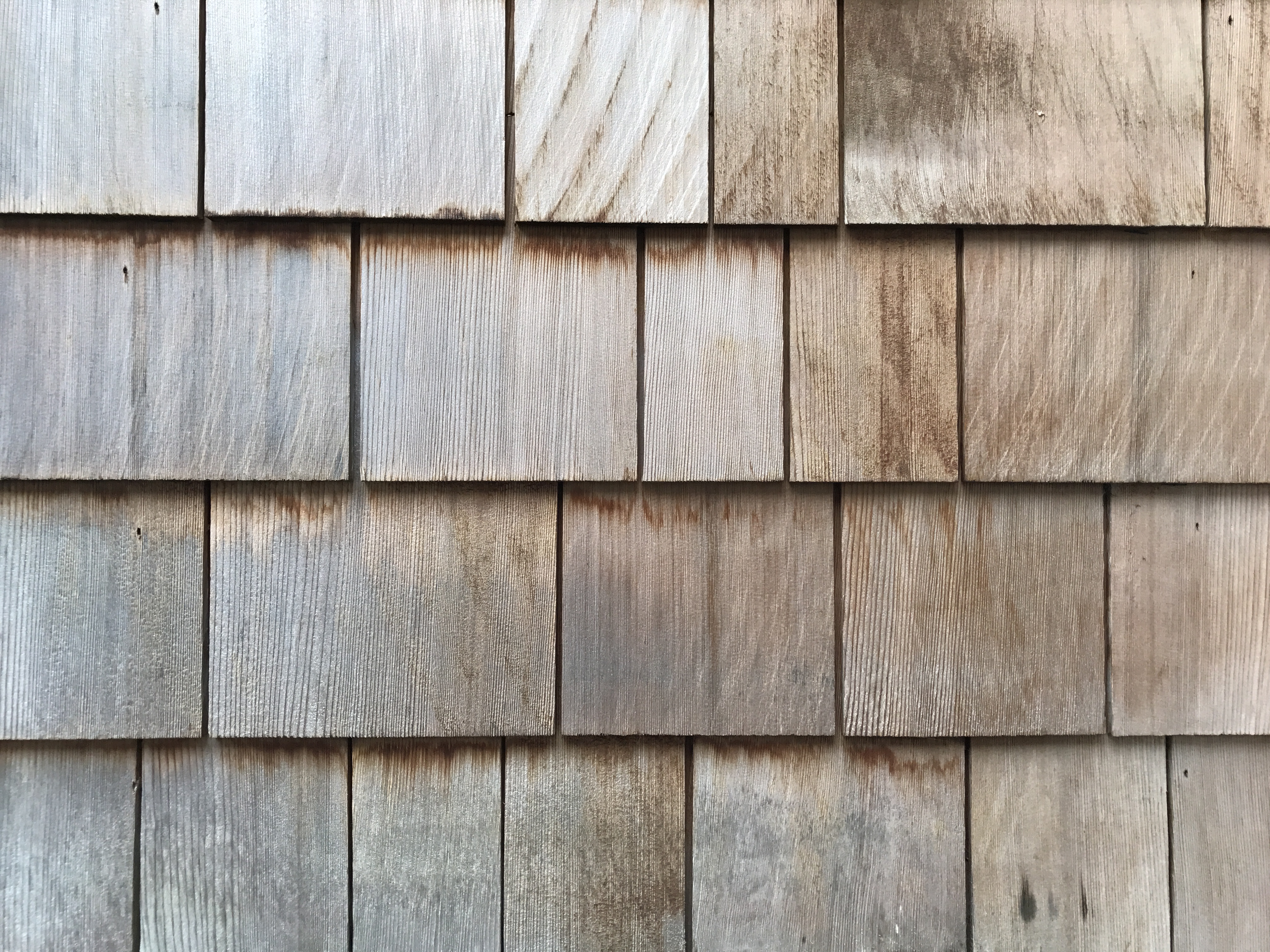
Finishing
An overview of penetrating oil finishes, semi-transparent stains, and maintenance intervals suited to the UV exposure and precipitation patterns of different Canadian regions.
About Cedar
Western Red Cedar (Thuja plicata) is one of the most widely used timber species for outdoor construction in Canada. Its natural oils provide resistance to rot and insects without requiring chemical treatment, making it suitable for ground-contact and above-ground applications alike.
The wood is lightweight relative to its strength, which simplifies handling during solo builds. It holds fasteners well and accepts both clear finishes and pigmented stains without significant grain raising. The heartwood ranges from reddish-brown to light amber depending on the log's origin and moisture content at the mill.
In British Columbia and Ontario, cedar lumber is readily available in dimensional form (1×4, 1×6, 2×4, 2×6) as well as in rough-sawn and live-edge boards at regional sawmills. Availability and pricing vary by province and season.
Cedar heartwood contains thujaplicins — naturally occurring compounds that resist fungal decay and insect damage. This allows untreated cedar to perform reliably in outdoor, above-ground applications.
Cedar has a low shrinkage coefficient across its width. This reduces the tendency to cup, check, or warp in response to seasonal moisture changes, which is particularly relevant in Canada's climate range.
The fine, straight grain of cedar takes oil finishes and stains consistently. Penetrating oils are generally preferred over film-forming finishes, as they allow the wood to breathe through seasonal expansion and contraction.
Quick Reference
Grade
Vertical grain, few or no knots. Used for finish-quality applications where appearance matters: deck rails, indoor panelling, furniture components.
Grade
Contains tight knots and more character. Widely used for fencing, raised beds, and structural deck framing where appearance is secondary to performance.
Grade
Left unsurfaced from the saw. Slightly thicker and textured. Accepts stains more readily and is often used where a natural, informal look is appropriate.
Contact
For questions about cedar project planning, material selection, or content on this site, use the form. Responses are not guaranteed but general inquiries are read.
Fields marked with * are required. This form does not send data to any server.