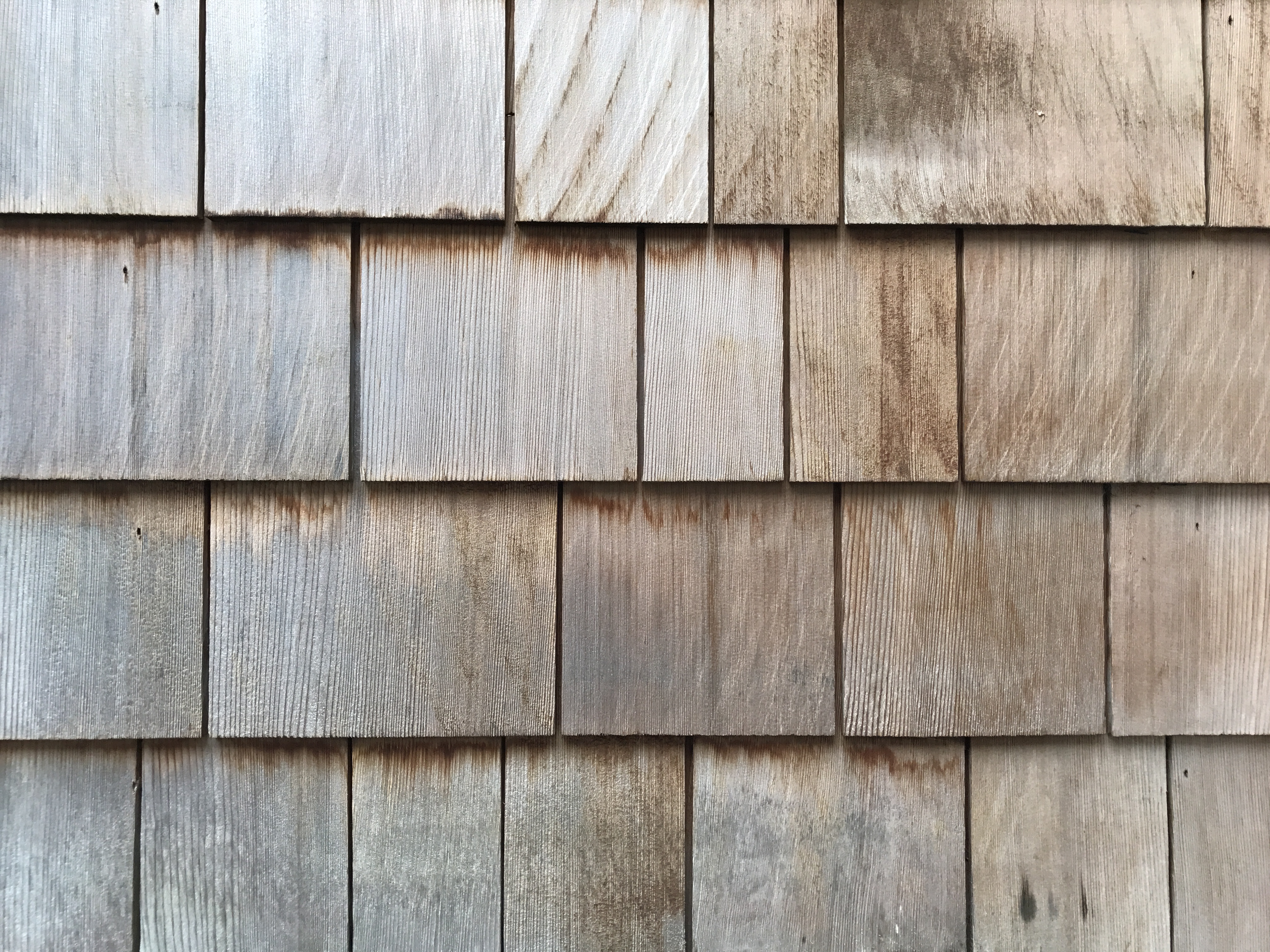
A cedar deck requires finishing decisions that balance appearance preferences with the practical demands of the local climate. In Canada, this means accounting for UV intensity at different latitudes, significant precipitation variation between coastal and interior regions, and the wood movement that comes with a wide seasonal temperature range. This article covers finish type selection, preparation, application, and regional maintenance expectations.
Understanding Cedar's Behaviour Before Finishing
Western Red Cedar is an open-grained, relatively porous wood. This makes it receptive to penetrating finishes — oils and stains — which enter the wood fibres rather than sitting on the surface. It also means that moisture enters easily if the wood is left unprotected, though the natural oils in cedar heartwood provide meaningful resistance on their own.
New cedar contains high levels of its natural tannins and oils. These can interfere with the adhesion of some finish products, particularly solid-colour stains and film-forming coatings. For this reason, many finishing product manufacturers recommend allowing fresh cedar to weather for two to four weeks before applying a finish — long enough for the surface oils to diminish but short enough to apply finish before significant UV greying begins.

Surface preparation is the first step in finishing. On previously finished decks, the old finish must be removed or abraded before new product will penetrate or bond properly. Photo: Goldmund100 / Wikimedia Commons.
Finish Categories for Cedar Decks
There are three main categories of wood finish used on cedar decks in Canada:
Penetrating Oils
Penetrating oils — including linseed oil, tung oil, and purpose-formulated deck oils — enter the wood rather than forming a surface film. They nourish the wood fibres, enhance the natural grain colour, and provide moderate water resistance. Because there is no film on the surface, they cannot crack, peel, or blister, which makes maintenance simpler: re-application goes over the old coat without stripping.
The trade-off is protection level. Penetrating oils offer less UV and moisture protection than semi-transparent stains. They typically require re-application every one to two years on horizontal deck surfaces that receive direct sun and rainfall. They are well suited to cedar because the open grain accepts them readily.
Semi-Transparent Stains
Semi-transparent stains contain both pigment and a penetrating vehicle. The pigment provides UV protection — the main cause of cedar fibre degradation — while the carrier still penetrates the wood rather than forming a thick film. The grain remains visible, though coloured. These products offer a longer maintenance interval than clear oils, typically two to four years on horizontal surfaces in moderate climates.
Water-based semi-transparent stains have largely replaced oil-based products at Canadian retailers following VOC regulation changes. Water-based formulations clean up more easily and have become more durable in recent product generations, though oil-based products are still available and preferred by some for their penetration depth on dense or previously treated wood.
Clear Sealers
Clear sealers are water-repellent finishes that add minimal colour change to the wood. They provide the least UV protection of the three categories and are most appropriate for covered or shaded decks where UV exposure is low. On exposed horizontal cedar surfaces in most Canadian regions, clear sealers alone will allow significant greying and surface erosion between maintenance cycles.
Surface Preparation
Proper preparation is the most important step in any deck finishing project. A finish applied over a dirty, weathered, or previously failing coat will not perform to its rated lifespan.
New Cedar
Allow new decking to weather two to four weeks. Sweep and blow off debris. Check for mill glaze — a compressed, smooth surface layer that can result from mill rollers — particularly on kiln-dried boards. Light sanding (80–100 grit) or application of a wood brightener (oxalic acid-based) opens the grain and improves penetration. Rinse thoroughly and allow to dry before applying finish.
Previously Finished Cedar
Test the existing finish by spraying water. If water beads, the existing finish is still functioning and top-coating with a compatible product is an option. If water is absorbed, the finish has failed and should be stripped or abraded before re-application. Use a pressure washer (1200–1500 PSI on cedar — higher pressure can raise grain or cause checking) or a chemical stripper formulated for the existing finish type. Follow with a deck brightener to restore pH balance and open grain, then rinse and dry fully before applying new finish.
Cedar must be dry before applying any finish. Surface moisture above approximately 19% moisture content will prevent penetration and adhesion. Measure with a pin-type moisture meter if conditions have been wet. In most Canadian regions, two to three dry days after rain are sufficient for deck boards to reach a suitable moisture level.
Application Methods
Penetrating oils and stains can be applied by brush, roller, or pad applicator. Brush application is slower but provides the most control and works the product deeper into the grain. Pad applicators cover large flat surfaces quickly and are commonly used for deck board faces. Rollers are useful for large areas but can leave lap marks on horizontal wood if not back-brushed.
Apply in thin, even coats. Heavy application of penetrating products on cedar can leave a tacky surface if excess product does not absorb. Apply a second coat within the timeframe specified by the manufacturer (usually 1–4 hours for water-based products, 24 hours for oil-based). Wipe off excess that has not absorbed before it dries to a surface film.
Regional Maintenance Intervals
Maintenance frequency depends on finish type, UV exposure, and precipitation patterns. The following are general expectations for semi-transparent stain on horizontal cedar deck surfaces:
- Coastal BC (Vancouver, Victoria): High annual rainfall but moderate UV. Expect 2–3 year intervals on semi-transparent stain. Watch for mould and mildew growth in shaded areas — use stains with added mildewcides.
- Interior BC (Kelowna, Kamloops) and Alberta (Calgary, Edmonton): High UV intensity and significant temperature swings. Stain on south-facing or exposed decks may require maintenance every 1.5–2 years. Interior products formulated with higher UV inhibitor content are worth the additional cost.
- Ontario and Quebec (Toronto, Ottawa, Montreal): Four distinct seasons with significant freeze-thaw cycling. Horizontal surfaces are most exposed. Maintenance every 2–3 years for semi-transparent stain; annual inspection of end grain and board edges is advisable.
- Atlantic Canada (Halifax, Fredericton): High humidity and salt air in coastal areas accelerate finish degradation. Stain on exposed decks may need attention every 1.5–2 years. Salt-air environments also accelerate fastener corrosion — stainless steel fasteners are worth the cost premium in these regions.

Wood chisels and gouges for detail and edge work. Cleaning up rough end grain with a chisel before finishing reduces moisture uptake at cut ends. Photo: Aerolin55 / Wikimedia Commons.
Treating End Grain
End grain — the cross-cut surface exposed at board ends — absorbs moisture at a significantly higher rate than face or edge grain. On a deck, end grain is exposed at the board ends near joists and at any place where boards have been field-cut. Applying two coats of finish to end grain during installation, before boards are fastened down, provides better protection than top-coat application after installation.
This is also worth doing when replacing individual boards mid-deck: coat all four sides and both ends before installation.
Weathered Cedar: Restoration vs. Replacement
Cedar that has weathered to silver-grey without maintenance is not necessarily damaged. The grey colour comes from UV breakdown of surface lignin, not from the wood fibres themselves. Below a millimetre or two of surface weathering, the wood is often still structurally sound.
Whether to restore or replace depends on the condition of the wood fibres. Check for:
- Checking — cracks running with the grain that penetrate more than a few millimetres
- Soft spots or sponginess when pressed, indicating decay
- Significant surface erosion where grain is raised more than 1–2 mm
- Splitting or warping that has opened gaps or created tripping hazards
Boards with soft spots or significant decay should be replaced rather than refinished. Boards with surface weathering only can often be restored with a deck brightener, light sanding, and a penetrating oil or stain application.
Product Notes
Specific product recommendations from this site are outside scope, as product formulations change and regional availability varies across Canada. General guidance:
- Look for products specifically labelled for exterior cedar or redwood — these are formulated with cedar's tannin levels in mind
- Water-based formulations have improved considerably and are appropriate for most residential applications
- Products with built-in UV absorbers and mildewcides extend maintenance intervals and are worth the cost difference over basic penetrating oils
- The Canadian Wood Council's technical resources and individual manufacturer data sheets provide more detailed guidance for specific conditions
See also the Canadian Wood Council and regional extension resources for climate-specific finishing recommendations.

